
As consumers, we all have our go-to brands and products. Some we stumble into out of convenience. Others we discover through a great brand story and never look back.
But how does a brand earn that status? It doesn’t happen by accident. Most of our decisions — what to buy, download, or use — are driven by habit, satisfaction, and a clear sense of brand identity.
For companies dealing with an old branding problem, that kind of loyalty can feel out of reach. That’s where integrated marketing comes in. It helps align messaging, design, and experience across every touchpoint to create a winning B2B digital marketing strategy that builds recognition, trust, and long-term preference.
As much as the brand engagement teams at Tide or Crest wish otherwise, most of us don’t jump for joy over our choice of laundry detergent and toothpaste. Sure, we like a lot of the products we use, and we’re even loyal to a lot of brands. But what really matters are the brands people care about deeply and return to repeatedly. The brands and products that people love. A lot. Like, with a capital L. At Brown Bag, we actually have a whole philosophy about the like to love as it applies to brands.
In this post, we want to address one thing that can take us from apathy to evangelism about a particular brand. It’s a brand attribute that comes up again and again. Simplicity. Or, in other words, a way to save some time.
Simplicity is the brand attribute people talk about most
All the time, we hear people raving about certain brands and products that have helped them save 20 minutes (Keurig) in the morning, avoid Atlanta’s crazy traffic (Waze), or even take better care of their health (Fitbit) in a simple, convenient way.
One of our favorite brands — one that we will go out of our way for — even has this notion of saving time in its name: QuikTrip. A lot of us want things to be simple and easy, and we will cherish brands or products that give us back some time or make things less complicated. But why does simplicity resonate so well? Because the most common response when you ask someone how they’re doing is still “busy.”
This notion of simplicity may help explain something that surprises a lot of people. According to YouGov’s Q1 2026 brand popularity rankings, which measure the percentage of Americans with a positive opinion of a brand, the most popular brand among all US adults isn’t Apple, Amazon, or Google. It’s Band-Aid. Think about that. A product that does one simple thing, does it reliably, and has done so for over a century. Got a cut? Put this on.
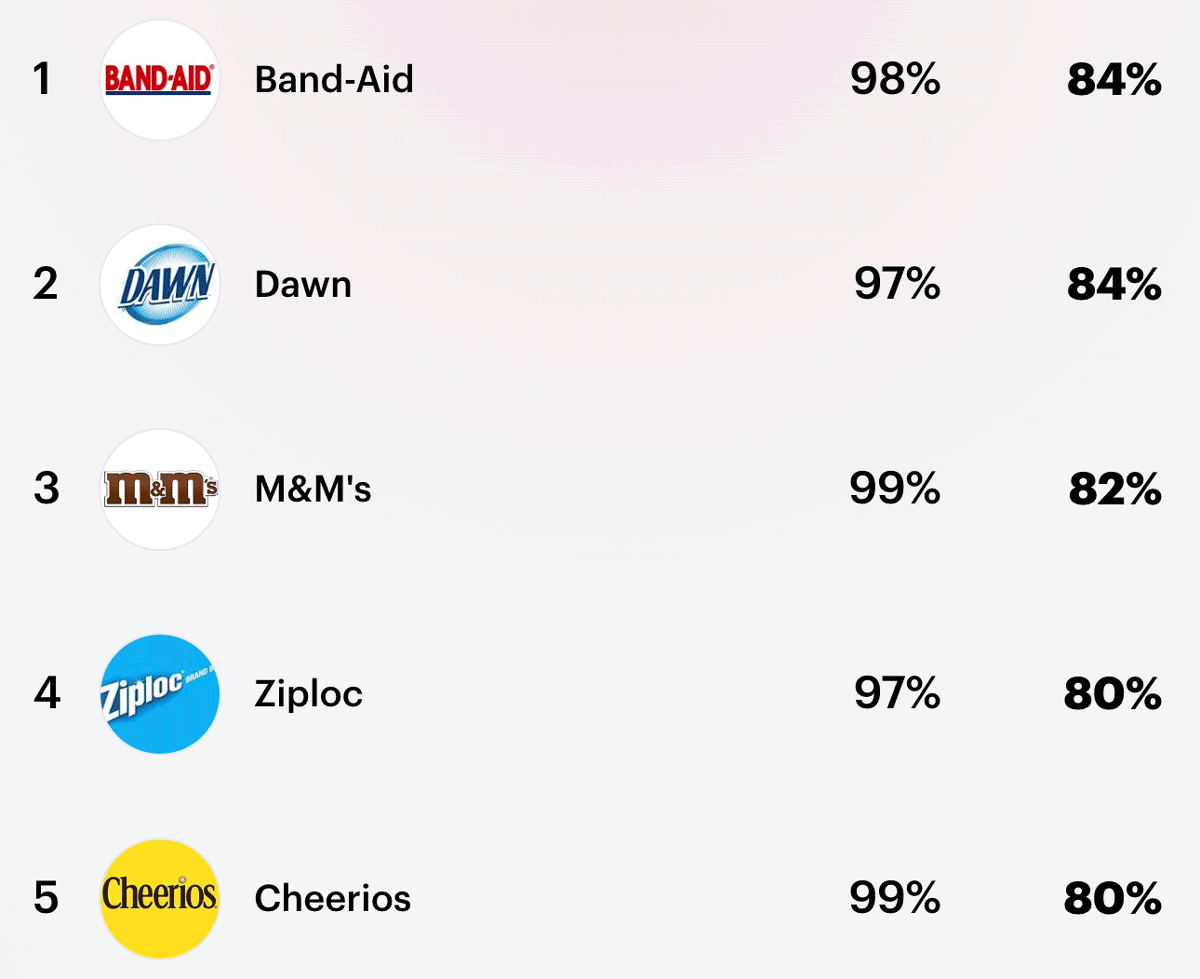
Source: https://yougov.com/en-us/ratings/brands
But simplicity is just one character trait of a brand that people fall in love with and advocate for. There are others that matter just as much, especially for organizations that operate at the intersection of mission, community, and commerce.
What else makes a brand truly “go-to”?
Simplicity gets the conversation started, but it rarely closes the deal on its own. The brands that achieve real loyalty tend to share a few other qualities.
Emotional relevance
The brands people evangelize aren’t just solving a problem — they’re connecting to something that matters. A park that feels like a lifeline. A sports organization that represents a community’s pride. A company that genuinely reflects the values of the people who work there. When a brand taps into that emotional current, it stops being a vendor and starts being part of someone’s identity.
Consistency
A go-to brand looks, sounds, and feels the same whether you encounter it on a billboard, a social media post, or a handshake at an event. Inconsistency creates doubt, and doubt kills preference before it can form. This is as true for a regional nonprofit as it is for a Fortune 500 company.
A clear point of view
Go-to brands don’t try to be everything to everyone. They know who they serve, and they say so plainly. That clarity is what allows a brand to build a real audience instead of a vague one.
Proof
People return to brands they trust, and trust is built through demonstrated results. Case studies, testimonials, tangible outcomes — these are the building blocks of a brand that earns repeat business and word-of-mouth referrals.
What go-to brand building looks like in practice
Here in Georgia, we’ve had the privilege of working with organizations that understand this deeply. We’ve seen firsthand what happens when brand strategy and emotional storytelling align.
When the Piedmont Park Conservancy needed to drive year-end donations, we built the creative concept around a single insight: after 2020, a year that tested everyone, Piedmont Park wasn’t just our park — it was our saving grace. The brand positioning message drove a 67% increase in donations compared to the prior year. The brand didn’t change. The emotional relevance of the message did.


That same principle carries into the world of sports marketing. Go-to brands in sports aren’t just teams people follow — they’re organizations people believe in, give to, and recruit their friends into.
The Atlanta Rowing Club, a 50-year-old institution, needed a modern fundraising presence that matched the commitment of its athletes. We built a high-conversion donation landing page that generated $10,000 in a single year-end giving season, with half of all donations flowing through that single page.
That result didn’t come from a bigger budget. It came from a brand and a digital experience that made giving feel easy and worthwhile — two hallmarks of every go-to brand.
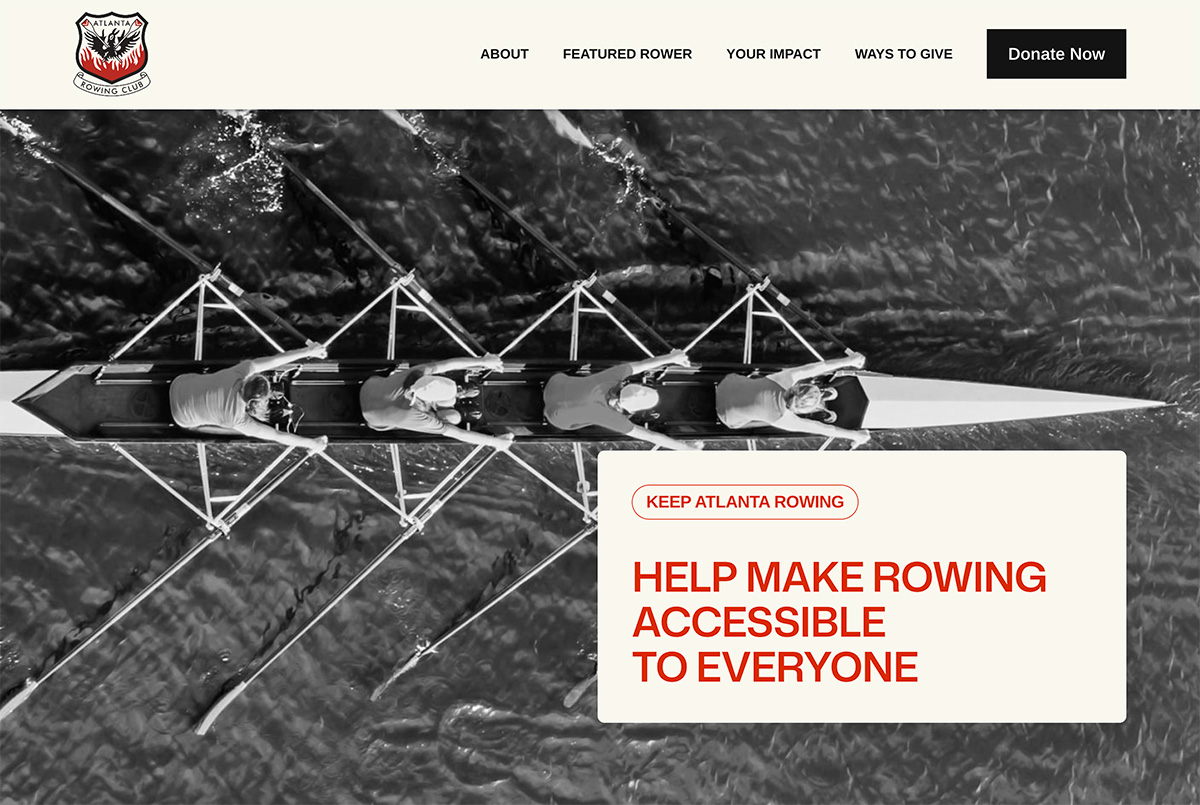
Our sports marketing work in Atlanta and across Georgia spans lacrosse, tennis, rowing, pickleball, and endurance events. The through-line in every project is the same: build a brand people believe in, and the donations, registrations, and sponsorships follow.
Your brand has the potential to be someone’s go-to
The brands people love aren’t the ones with the biggest budgets. They’re the ones who made a clear promise and kept it consistently. They simplified something. They showed up with a point of view. They gave people a reason to care.
Whether you’re a nonprofit trying to grow your donor base, a sports organization building community momentum, or a company that’s outgrown its current brand identity, the path to go-to status starts with brand development that’s grounded in strategy, not guesswork.
Brown Bag Marketing has been helping organizations across Georgia build brands worth believing in since 2002. From Roswell and Marietta to Alpharetta, Duluth, Sandy Springs, and well beyond Georgia’s borders, we work with organizations that are serious about building brands that earn real loyalty. If that’s where you’re headed, we’d love to be part of the journey. Reach out to our team today.